

Papini, Giovanni; [Verdaguer, Mario (Trans.)]
Gog
Gog
Couldn't load pickup availability
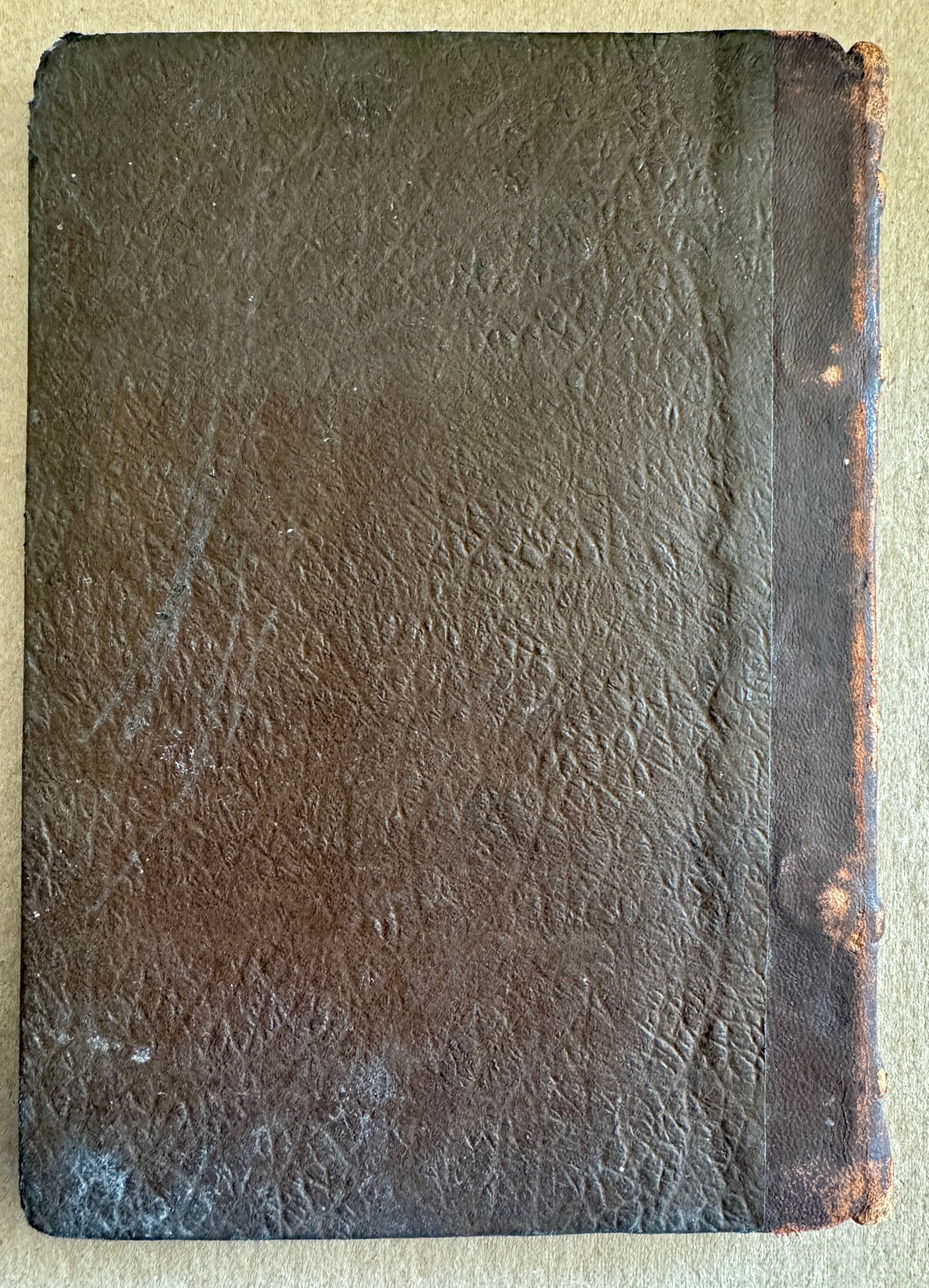
Santiago de Chile: Ercilla, 1933. 3a. ed. Small octavo in cusomter real and faux keather binding; 178 p.; 17 cm. Very good. Hardcover.
In Spanish. Translated from the Italian origtinal; translator uncredited. Uncommon in partial leather binding thus. Satirical novel in diary form, kept by Goggins, a Hawaiian-born American multimillionaire who has cut his name to three letters to match the apocalyptic king of Magog. Jaded by limitless wealth, he pays his way into audiences with the great figures of the age, among them Lenin, Freud, Einstein, Edison, Ford, Shaw, Gandhi, and H. G. Wells, and records each encounter as one more symptom of a civilization bent on its own undoing. Papini, once the iconoclast of Florentine letters and by then a Catholic convert after his Storia di Cristo, turns his polemical gifts on modern materialism, technology, and intellectual fashion. An epigraph from Revelation 20:7, with Satan loosed to deceive the nations, Gog and Magog, frames the whole. His first international bestseller, rapidly translated into the major languages, though poorly received in English. Sequel in 1951, Il libro nero, a second diary of imaginary interviews; its invented Picasso “confession” later circulated as genuine. Colección Ercilla; No. 3 [series]. ¶ Papinia was a Florentine polemicist, largely self-taught; co-founder with Prezzolini of *Il Leonardo*, whose aim was to tear down Italian academic culture, then of *La Voce*, *L'Anima*, and the Futurist-leaning *Lacerba*. Early fame as an iconoclast and atheist, with *Il crepuscolo dei filosofi* and the autobiographical *Un uomo finito*. Wartime guilt led to his conversion to Catholicism, sealed by *Storia di Cristo*, translated into twenty-three languages and a worldwide success. Satirist thereafter from a Catholic vantage. Professor of literature at Bologna from 1935, Academician from 1937, and a Franciscan tertiary at La Verna as "Fra' Bonaventura" after the regime fell in 1943. His late *Il diavolo*, on the Devil's possible redemption, condemned by the Holy See. Blind and paralyzed in his last years, dictating to his secretary and granddaughter. Almost forgotten after his death because of his politics, then revived, with Borges in 1975 calling him "undeservedly forgotten". ¶ Sources:- [Nonsolobiografie – Papini biography (PDF)](https://www.nonsolobiografie.it/personaggi/biografia_giovanni_papini-1.pdf)- [Wikipedia – Giovanni Papini](https://en.wikipedia.org/wiki/Giovanni_Papini) and its mirrors- [Prabook – Giovanni Papini](https://prabook.com/web/giovanni.papini/3755012)- [Wikipedia – The Devil (Papini book)](https://en.wikipedia.org/wiki/The_Devil_(Papini_book))- [EBSCO Research Starters – Giovanni Papini](https://ebsco.com/research-starters/biography/giovanni-papini)Papini, Giovanni, 1881-1956. Mario Verdaguer, probable translator
Share